Description
Of the nature of the Moon in Cancer, these talismans were created with the intent of endowing their bearers with improved memory and capacity to retain knowledge.
When it comes to planets associated with the mind and knowledge, Mercury often gets top billing. Dating back to ancient Mesopotamia, however, the illumination of the Moon, as the “lamp of heaven and earth,”[1] has been associated with knowledge and oracles. Tamara M. Green, author of City of the Moon God: Religious Traditions of Harran notes that “Illumination is not only the physical light of the moon, but also illumination of the will of the gods, enlightenment, especially through oracles.”[2] The Mesopotamian scribe god Nabû, who became syncretized with Hermes in the Hellenistic period, rose to prominence as the intellectual divinity par excellence in the first millennium BC, but the Moon—Nanna in Sumerian, Sîn in Akkadian—was the original “Lord of Knowledge” (ibid).
Although certain spiritual systems and authors have given pride of place to the Sun among the luminaries—Egyptian religion, Hermeticism, and Marsilio Ficino, to name a few—in Babylonian lore the Moon had a certain preeminence. In fact, in the creation story Enūma Eliš (“When On High”), the Moon was the first of the planets to be created from the body of Tiamat, and only secondarily the Sun (a Babylonian prayer to the Moon god actually names the Sun as the first-born of the Moon[3]):
“[Marduk] placed the heights (of heaven) in [Tiāmat’s] belly,
He created Nannar [the Moon], entrusting to him the night.
He appointed him as the jewel of the night to fix the days,
And month by month without ceasing he elevated him with a crown,
(Saying,) ‘Shine over the land at the beginning of the month,
Resplendent with horns to fix the calling of days.
On the seventh day the crown will be half size,
On the fifteenth day, halfway through each month, stand in opposition.
When Šamaš [i.e., the Sun] (sees) you on the horizon,
Diminish in all the proper stages and shine backwards.’”[4]
The progression described in the Enūma Eliš is essentially calendrical, going first to the stars, which “organize the year,” then to the Moon, who regulates the month, and finally to the Sun, who oversees the daily cycle.[5] Although containing some hints at zodiacal elements, the establishment of the heavens in Tablet V of the Enūma Eliš is not primarily astrological, but rather sets forth the ideal regularity of the temporal order, with a year of 360 days and a month of 30 days. The Babylonians knew full well, as documented from omen texts, that the actual visibility of the Moon in a month varied between 29 and 30 days; thus, the month and year could deviate from their ideal harmonious organization. Deviation from the 30 day divine ideal was interpreted as a volitional sign from Sîn/Nanna, the Moon god: when a month lasted 30 days this was taken as a harmonious sign, and when a month lasted only 29, it was considered a communication of a bad omen from the gods to humans.[6]
The Moon’s adherence to or abeyance of the numerical ideal was a central ominous factor in the Mesopotamian world, which helped cement the Moon as the image of oracle, order, and knowledge. These associations were carried forward into Greco-Roman antiquity and can be seen in the prayer to the Moon from the Greek Hygromanteia, part of which reads: “Lady Luna, the order and the knowledge of the world, the figure of the heaven, the consolation of the night and the queen of the constrained spirits.”[7]
Maslama al-Qurtubi, in Book III of the Latin Picatrix, associates the Moon with “high knowledge, [and] magic and medicine and petitions and ancient things,”[8] as well as “great cogitations about things…; thoroughly studying high sciences such as astrology, magic, and other secret sciences.”[9] The Moon’s centrality in electional considerations in astrological magic is well-known, but the Moon also gets indirect pride of place via the focus in Picatrix on knowledge. Al-Qurtubi starts off his magisterial compilation by privileging knowledge: “You should know, my dearest brother, that the best and most noble gift that God has given to humanity in this world is knowledge.”[10]
In the figure of the Moon, we find a weaving together of order, time, knowledge, and memory. The ancient worldview, exemplified in the nested spheres of the astrological cosmos, was preeminently a worldview of order and divine hierarchy. Time in the ancient world, in both Egypt and Mesopotamia, was not a mathematical quantity but a living system of gods and spirits whose ongoing activity maintained and perpetually refurbished the cosmic order.[11] The Moon’s repetitive cycles of waxing and waning most visually symbolize this activity. Through knowing the cosmic order’s reflection and recapitulation in the sublunary realm, humans can come to know the will of the gods and the mind of god itself.
This active maintenance and continual reconsolidation of cosmic order finds an image in the dynamic system of memory of the human mind. We know from contemporary cognitive science that memory is not reproductive, but constructive.[12] In other words, memory is not a passive process of storage and retrieval, but an active process of constructing reality and reconstructing it when we recall the memory of realities we have previously experienced—whether in the ‘real world’ or in fantasy or dreams. Remembering is therefore re-membering, a process of putting things back together again over and over, which is why, when memory starts to fail, it is all too often experienced not as a simple absence but as a presence, an emotionally harrowing chaos as the order and structure of mind and world begin to crumble.
Like life itself, and like the continual cycles of the Moon, memory is a pattern of growth and regrowth, a constant regeneration and renewal. Tamara M. Green captures this aspect of the Moon vividly:
“The magical power of the moon lies in its limitless ability to recreate itself, ‘a fruit self-grown’; and this power becomes the key to understanding both time and timelessness. The moon is the organizer of time: it fixes the length of days and months. The Moon god is called the ‘Lord of the month’ and ‘the 30th day is his day,’ but he is also a symbol of eternity. The man in the moon is seen not merely because human features can be discerned, but because the moon, more than any other of the heavenly bodies, is alive; he comes to life, he grows, and then begins to disappear from the visible heavens, only to be recreated anew.”[13]
Our memory, like a host of spirits, contains the echoes and ghosts of all that we have encountered, all that we have learned, all that we have lost. Like the gods and spirits of time in Egypt and Mesopotamia who maintain the cosmic order, through learning and remembering we actively build and maintain the order of our minds and selves. Memory, like the light of the Moon, is not a primary light but a reflected one: memory does not hold the experience itself, but its image, just as the Moon does not produce her own light, but reflects the light of the Sun. Similarly, our knowledge does not create the world, but reflects it, our noûs (consciousness, intelligence) a fragment and an image of the divine Noûs.
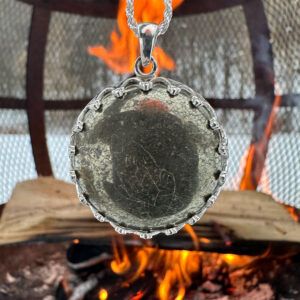
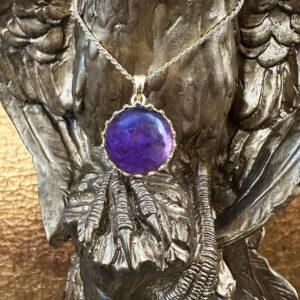
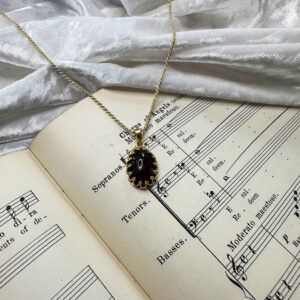
The Remembrance talismans tap into these primordial associations of the Moon, following a recipe from Picatrix for an image “for good memory, and to retain knowledge.”[14] In recognition of the fact that memory and knowledge are not abstract, objective functions but embodied, affective, relational capacities, we crafted three versions of these talismans to accentuate different aspects of memory and knowledge (see below in the section on gemstones).
Thus far, in testing, versions of these talismans have shown some efficacy in slowing and partially reversing memory loss in an older adult, significantly improving dream recall, facilitating access to obscure texts and references, and discovery of hidden connections and the opening of new vistas of research.
As with all talismans, your mileage may vary, and like all of our talismans (see our guarantees and disclaimers), the Remembrance talismans are not intended nor do they claim to treat any disease or disorder that contributes to memory loss or impairment.
Footnotes
[1] James Bennett Pritchard, Ancient Near Eastern Texts Relating to the Old Testament (Princeton University Press, 1969), 390.
[2] Tamara M. Green, The City of the Moon God: Religious Traditions of Harran (Brill, 1992), 33.
[3] Pritchard, Ancient Near Eastern Texts Relating to the Old Testament, 386.
[4] Wilfred G. Lambert, Babylonian Creation Myths (Penn State Press, 2013), Tablet V, 99.
[5] Lambert, Babylonian Creation Myths, 172.
[6] David Brown, “The Cuneiform Conception of Celestial Space and Time,” Cambridge Archaeological Journal 10, no. 1 (2000): 110.
[7] Ioannis Marathakis, The Magical Treatise of Solomon, Or Hygromanteia: Also Called the Apotelesmatikē Pragmateia, Epistle to Rehoboam, Solomōnikē : Being a Translation of MSS Harleianus 556, Bononiensis 3632, Atheniensis 1265, Gennadianus 45, Atheniensis 115, Parisinus 2149, Monacensis Gr. 70, Supplemented by a Number of Other Greek Manuscripts (Golden Hoard Press, 2011), MS Harleianus 5596, 151.
[8] Maslama al-Qurtubi, The Complete Picatrix: The Occult Classic of Astrological Magic Liber Atratus Edition: The Classic Medieval Handbook of Astrological Magic, trans. John Michael Greer and Christopher Warnock (Adocentyn Press, 2011), bk. III, chap. 1.
[9] al-Qurtubi, The Complete Picatrix, bk. III, chap. 7.
[10] al-Qurtubi, The Complete Picatrix, bk. I, chap. 1.
[11] These themes are explored in Lesson 13 of Idola Stellarum’s course on worldview, Wondrously Embroidered: The Worldview of Astrological Magic as well as more in depth a course that began in 2026, “Each Day Will Receive Its Appropriate God: Time as an Ecology of Spirits.”
[12] Daniel L. Schacter, “Constructive Memory: Past and Future,” Dialogues in Clinical Neuroscience 14, no. 1 (2012): 7–18, https://doi.org/10.31887/DCNS.2012.14.1/dschacter.
[13] Green, The City of the Moon God, 24.
[14] al-Qurtubi, The Complete Picatrix, bk, II, chap. 10.
Technical Details
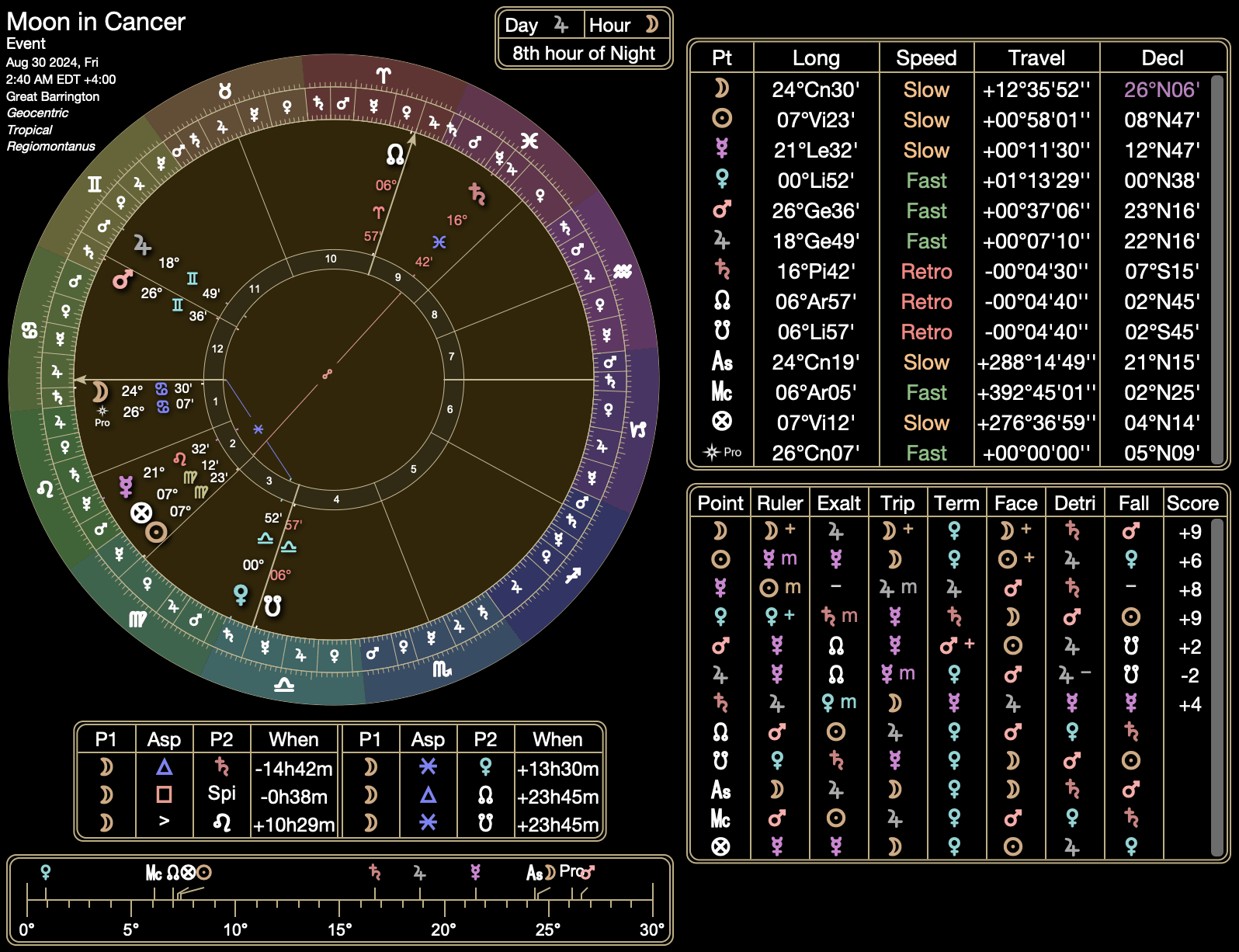
The Moon in Cancer Remembrance talismans were ensouled during Moon hour on Friday, August 24, 2024 between 2:16am and 2:43am EDT.
Essential Features of the Election
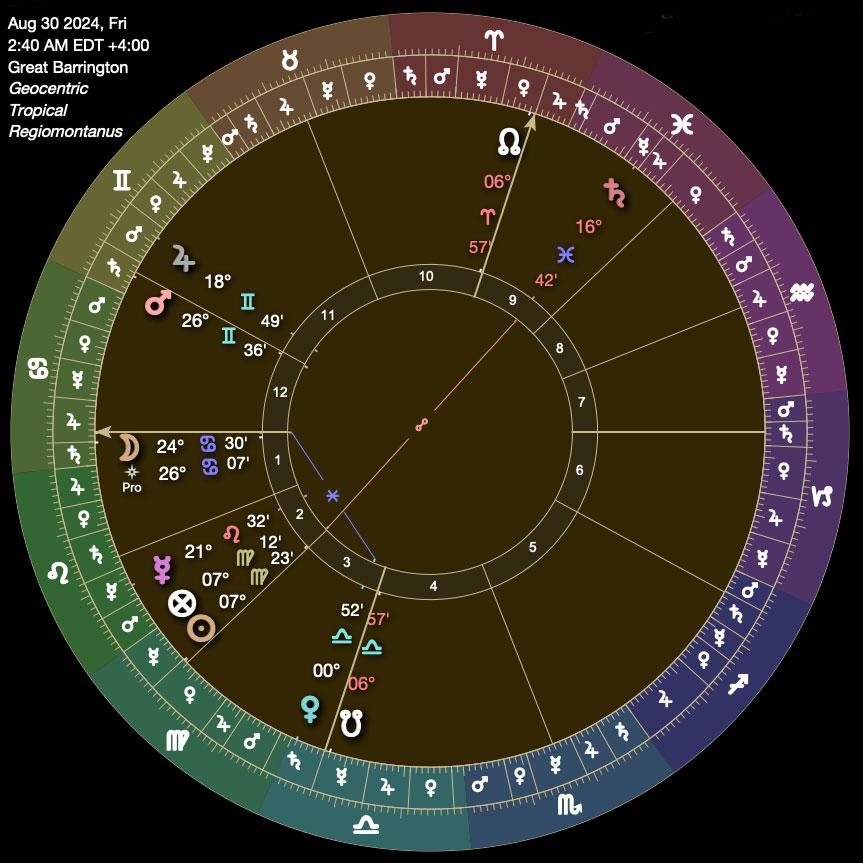
For planetary astromagical elections, we require that the relevant planet either rises on the Ascendant or culminates on the Midheaven during the relevant planetary hour. This election took place during Moon hour with the Moon rising on the Ascendant.
Planetary elections also require the Moon to be in sufficiently good condition. During this election, although the Moon was traveling slow, she was above the “12 degrees in a day” minimum speed stated in Picatrix (Book I, Chapter 4). Dignified by rulership, triplicity, and face, she was in aversion to Mars and long since separating from a trine to Saturn, applying to a sextile with Venus in Libra. Thus, the Moon was highly dignified and not essentially or accidentally afflicted.
Since the 1st house signifies the bearer of the talisman, we also look at the condition of the Lord of the Ascendant in planetary elections. With Cancer rising, the same considerations above regarding the Moon apply here as well.
Further Magical Factors in the Election
In this election, the Moon’s waning signifies “wisdom and seeking and inquiring after the truth” (Book II, Chapter 3). The Moon is also fortified by the applying sextile to Venus in Libra, as well as the close applying conjunction to the fixed star Procyon, which magically signifies favor, protection, and influence over spirits (this election could have just as easily been a Procyon election). The cadency of both malefic planets (both by quadrant and whole sign house reckonings) virtually eliminates their influence, which was already minimal.
Reflection on Weaknesses of the Election
As mentioned above, the Moon is on the slow side, moving at 12°35′ per day, although this is easily above the 12° minimum stated in Picatrix.
We also note for completeness that some mages consider the Moon on the Ascendant to be an affliction. However, we emphasize that both Picatrix and De Quindecim Stellis list copious electional recipes that include the Moon rising on the Ascendant—including Moon talismans, as in Book II, Chapter 10 of Picatrix that lists numerous talismans (including this very talisman!) with instructions such as “do this in the hour of the Moon with the Moon rising.” We therefore conclude that the tradition clearly licenses proceeding with magical elections that include this condition when divination supports doing so.
Recommendations
Among planetary talismans, Moon talismans have a reputation at Idola Stellarum as the most likely to come along with noticeable and turbulent adjustment periods, particularly for people prone to mood swings and emotional vulnerability and instability. This is partly because Idola mage Rain has a fairly seriosuly afflicted natal Moon and usually has a turbulent few days with any new Moon talisman, so your mileage may vary. Although our experience has been that such adjustment periods are temporary (everything Lunar is temporary, after all), they can be unnerving and disruptive.
As such, we do recommend that anyone considering adopting a Moon talisman take stock of your support network and prudently assess whether you currently have the bandwidth in your personal and professional life to absorb Lunar turbulence at the moment. Doubly so if you are someone who tends to be “in your head” or disconnected/dissociated from your body on a regular basis. Those with a natally afflicted Moon (e.g., combust or besieged Moon, Moon in Capricorn or Scorpio) would be particularly wise to exercise extra caution and divination in their discernment about whether to adopt one of these talismans.
Ceremonial Details
Gemstone & Talismanic Image
The recipe for this talisman in Picatrix reads as follows: “If, under the influence of the Moon, you make this sign in the hour of the Moon, with the Moon rising, in emerald, with this stone make a seal in incense and give it to a man for good memory, and to retain knowledge,” followed by a series of four symbols that look somewhat like waves, boats, and the full and crescent Moon (Book II, Chapter 10). Although you are free to experiment with pressing incense with the stone, we believe the stone itself harbors these powers.
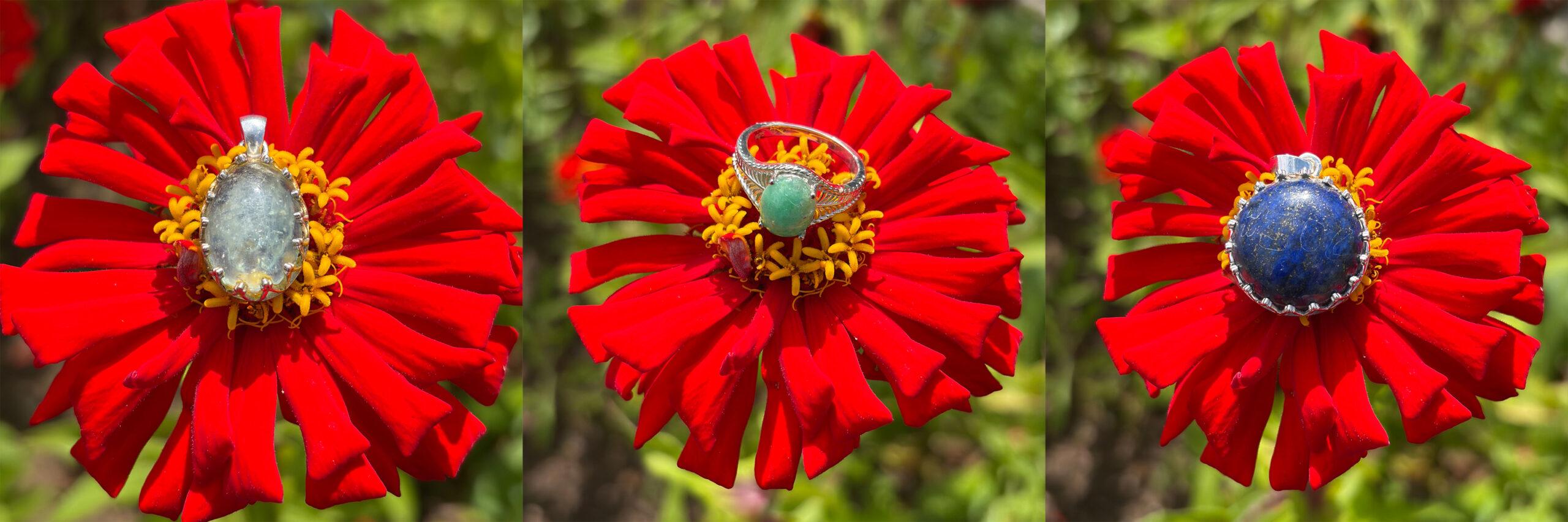
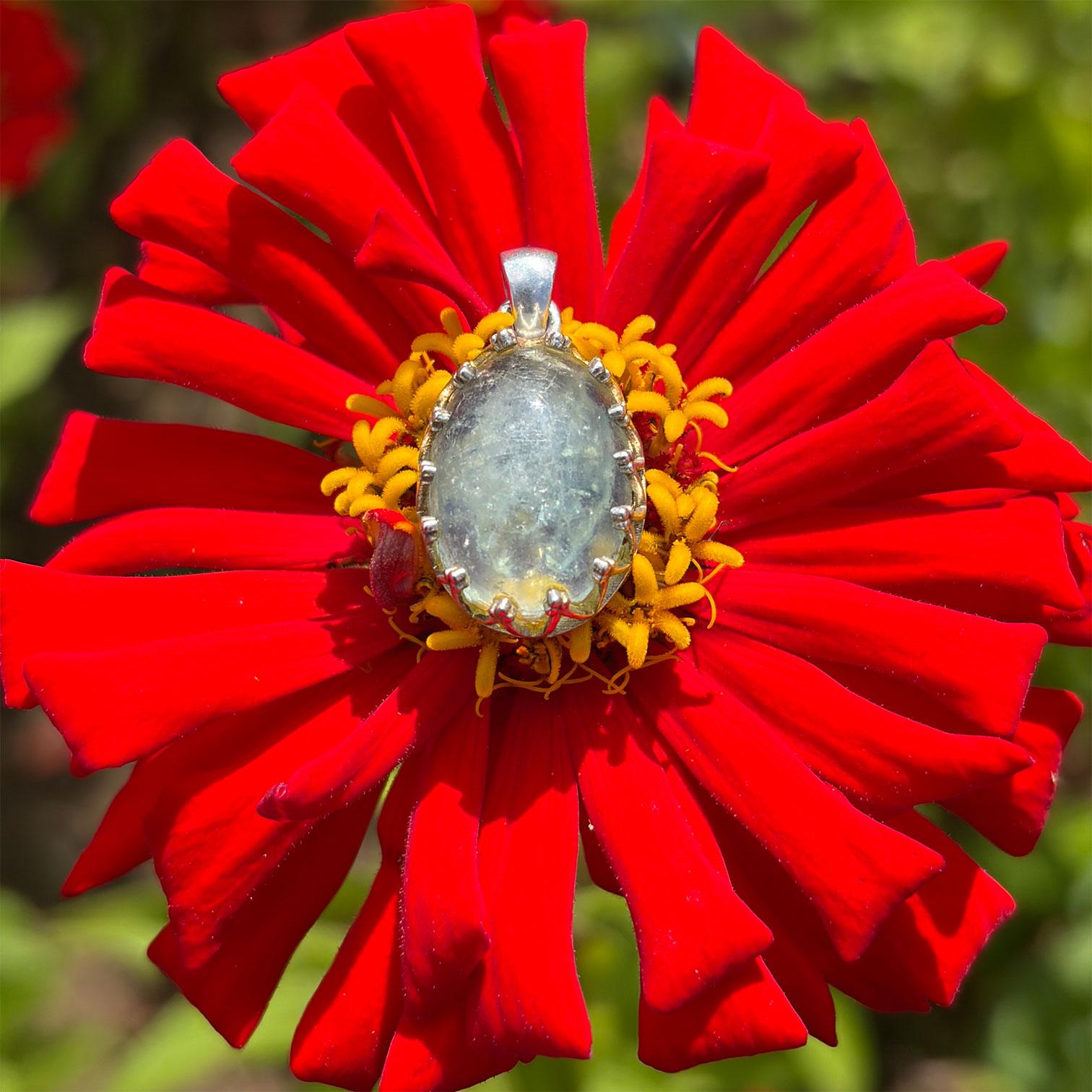
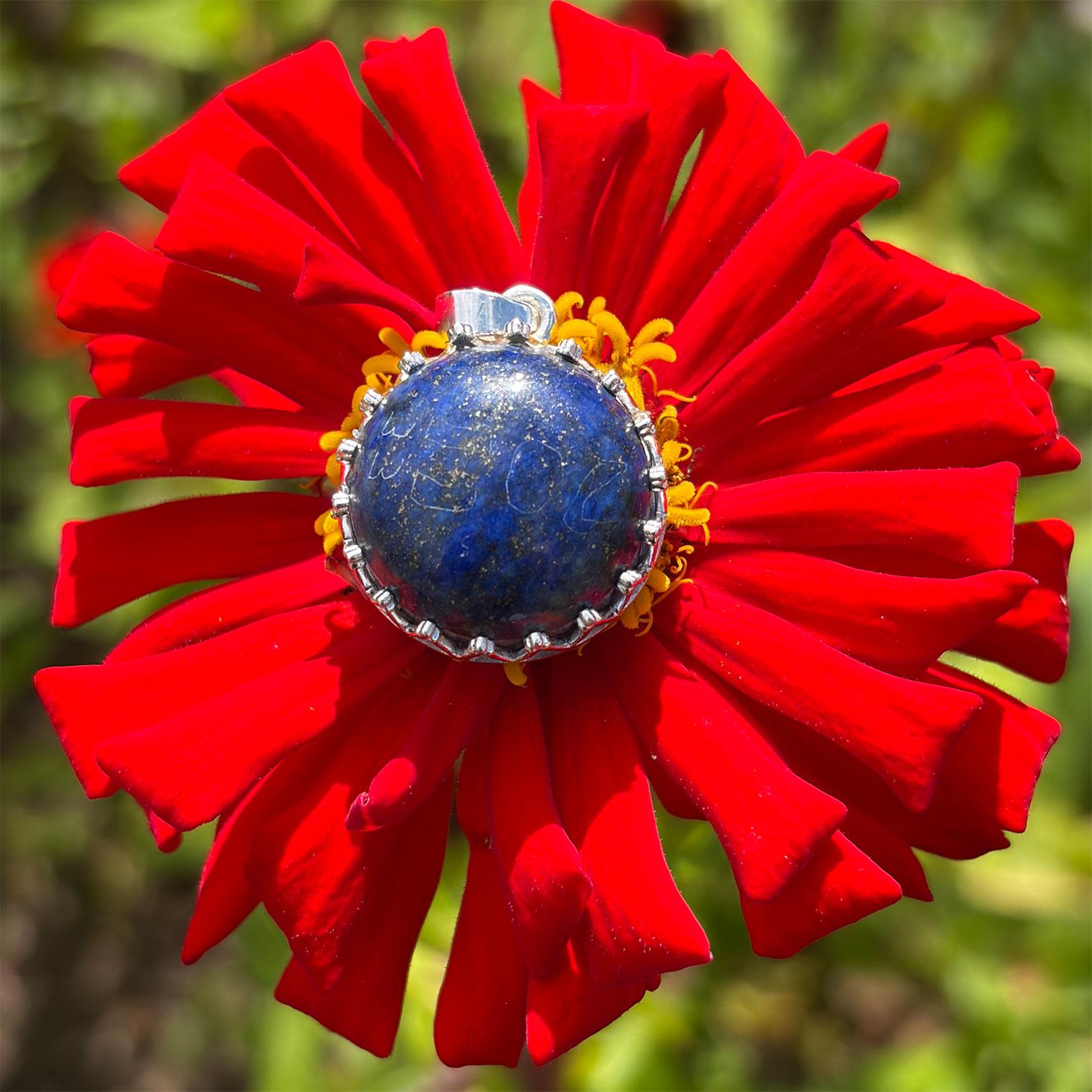
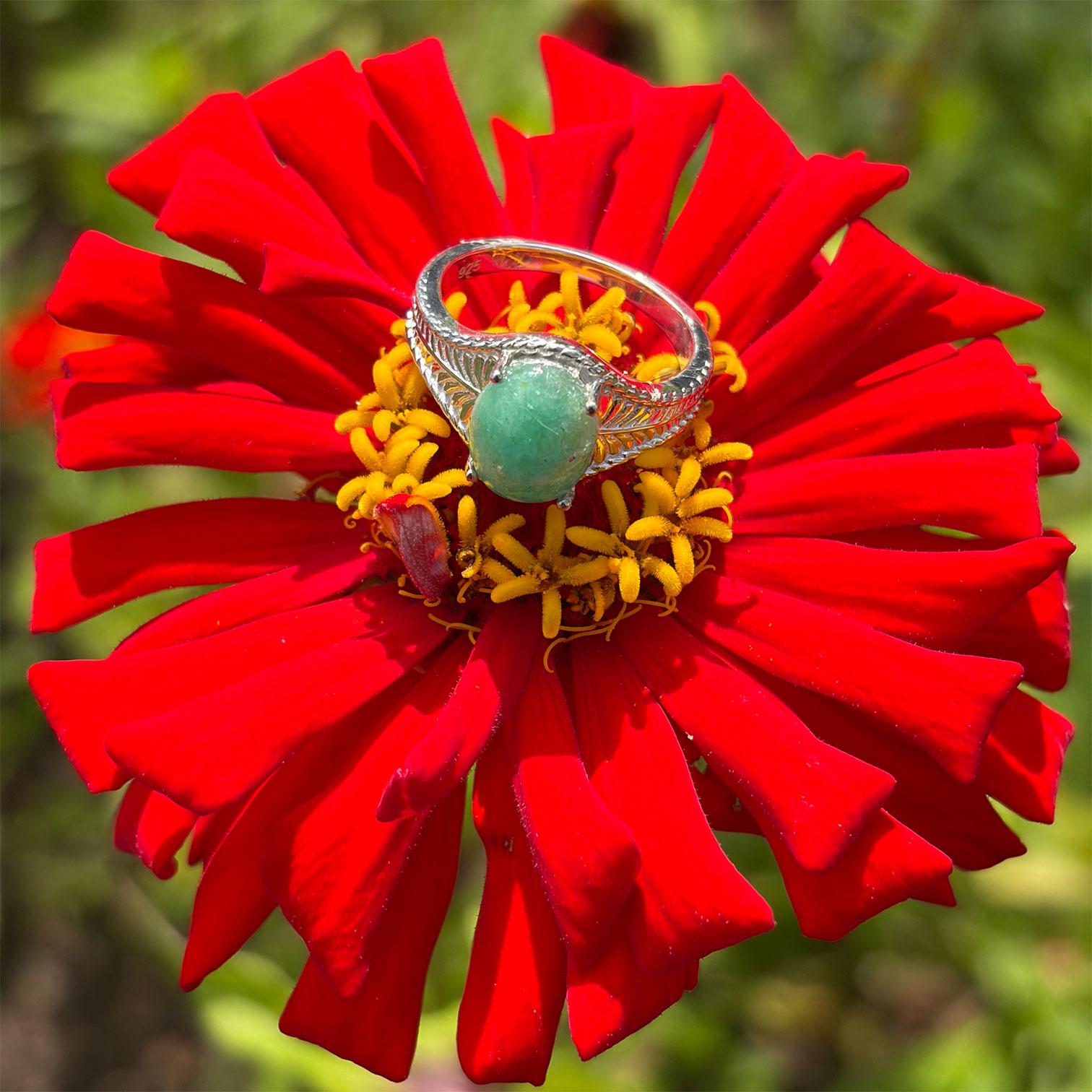
We made three varieties of this talisman, one according to the letter and two using different stones to accentuate different aspects of the significations of good memory and knowledge.
- The original recipe in Picatrix is translated as “emerald,” which is the modern rendering of the Latin lapide smaragdi. The smaragdus was a famed stone in antiquity and likely referred to not just emeralds but a range of green stones. Emerald is attributed to the Moon by al-Qurtubi and al-Biruni, and indirectly by Agrippa and Ficino, who assign green stones to the Moon. Albertus Magnus says of the smaragdus that although it is “more precious than many others…it is not rare,” one of many indications that its translation as ’emerald’ is not the whole story; De Mineralibus, Book II, tract. ii, trans. Dorothy Wyckoff. Albertus Magnus notes that the smaragdus “improves the memory…and is good for divination; and therefore it is sought after by magicians” (ibid). High quality untreated, unheated 8x10mm emerald cabochons were carved during this election and set in sterling silver rings.
- We also carved a handful of 20mm lapis lazuli cabochons. In antiquity, the stone we call lapis lazuli was known as saphirus; only later did the modern to ‘sapphire’ get applied to blue corundum. Lapis lazuli is attributed to the Moon by al-Qurtubi. Saphirus has some significations of knowledge, such as that it “makes a man have understanding and strength” (Peterborough Lapidary, trans. Francis Young, p. 65). It is, however, also known to address “melancholy passions” (ibid, p. 66), “comfort and gladden the heart” (p. 66), and to “do away with sorrow and dread” (pp. 66-7). Thus, we reasoned that saphirus (lapis lazuli) talismans with this image could serve to accentuate the aspect of memory related to grief and mourning.
- Finally, we also carved several 13x18mm aquamarine cabochons. This stone most likely corresponds to the stone known as beryllus in antiquity from which we get our word beryl or beryllium. The contemporary term beryl is a mineral that, in different colors, corresponds to various gems, including emerald, aquamarine, and heliodor, but the ancient term beryllus described a stone “of a pale, clear, transparent colour” (De Mineralibus, Book II, tract. ii) and “[a color] like tranquil seas or olives’ oily gleam” (The Lapidary of Marbode of Rennes, trans. C.W. King), making its identification with aquamarine more likely. Beryl is attributed to the Moon by Agrippa. As with with the other stones above, beryllus has virtues relating to the intellect such as “confer[ring] cleverness” (De Mineralibus, Book II, tract. ii) and “giv[ing] good understanding” (Peterborough Lapidary, p. 17). It also “withholds all the sorrow of the spleen” (ibid; the spleen is associated with anger and annoyance) and “cause[s] mildness of manner” (De Mineralibus, op. cit.). We therefore reasoned that beryllus (aquamarine) talismans with this image could serve to accentuate the aspect of cool rationality involved in knowledge.
To summarize, based on traditional sources, this talisman’s properties of being “for good memory, and to retain knowledge” are taken in three slightly different directions by each of the three stones: smaragdus (emerald) best accentuates memory, saphirus (lapis lazuli) best accentuates grieving and the more affective aspects of remembrance, and beryllus (aquamarine) best accentuates rational understanding.
A pulverized mixture of black and white poppyseeds were affixed to the obverse of the cabochons during the election as well. Poppy, a lunar herb, is associated with the mind. Culpeper noted that poppy was used for rest and sleep, to ease pains of the head, and to stay inflammations and frenzies of the head and mind.
Ritual Setup
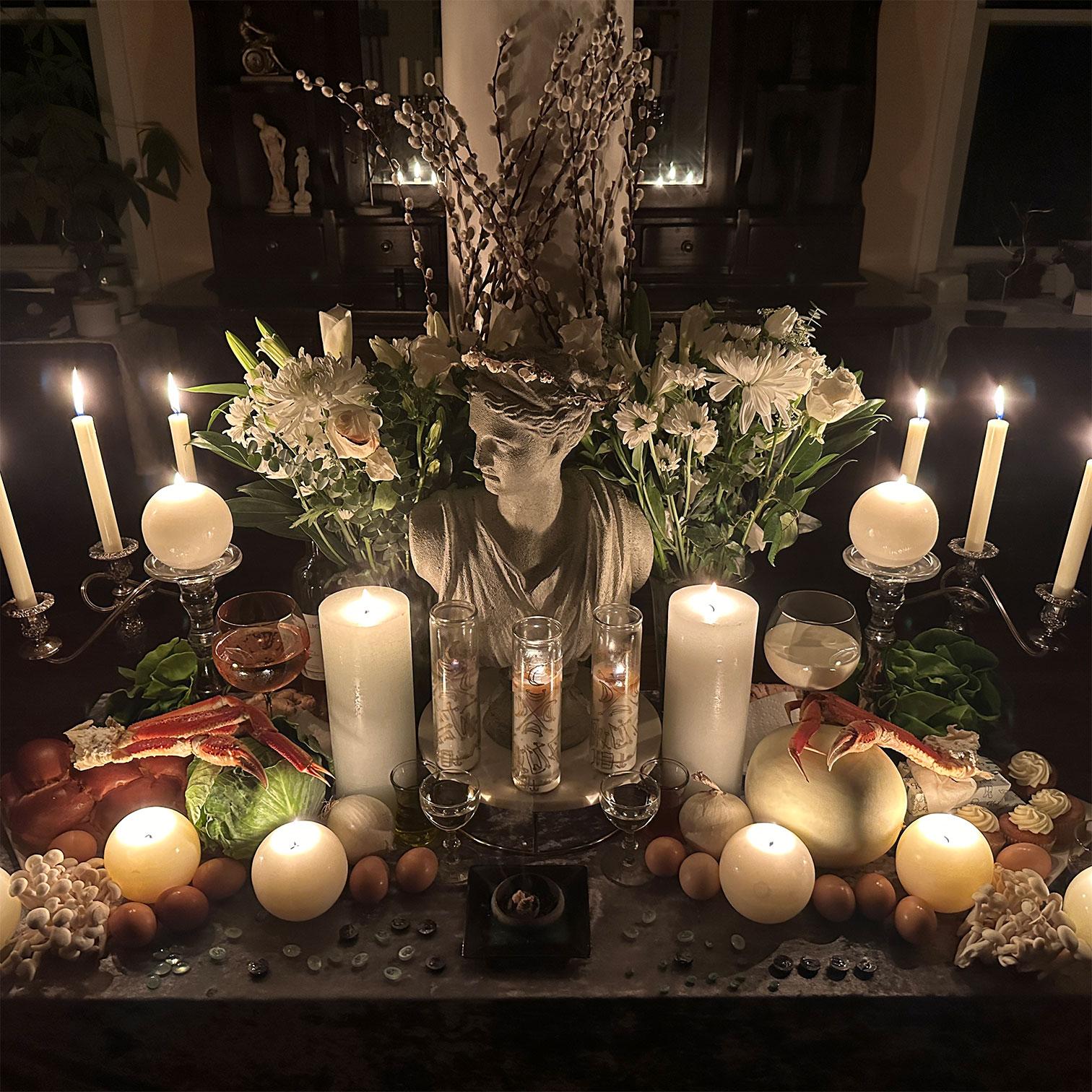
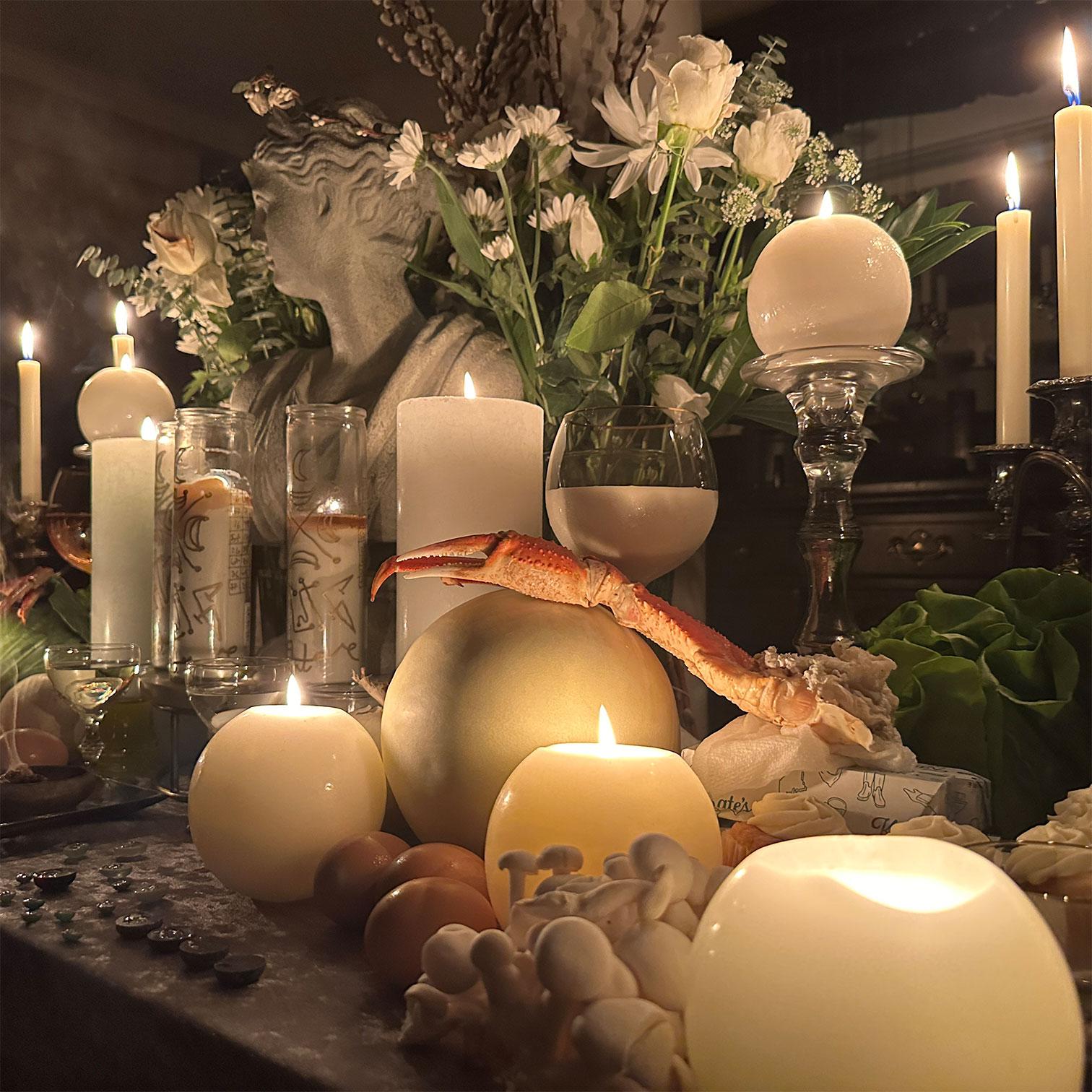
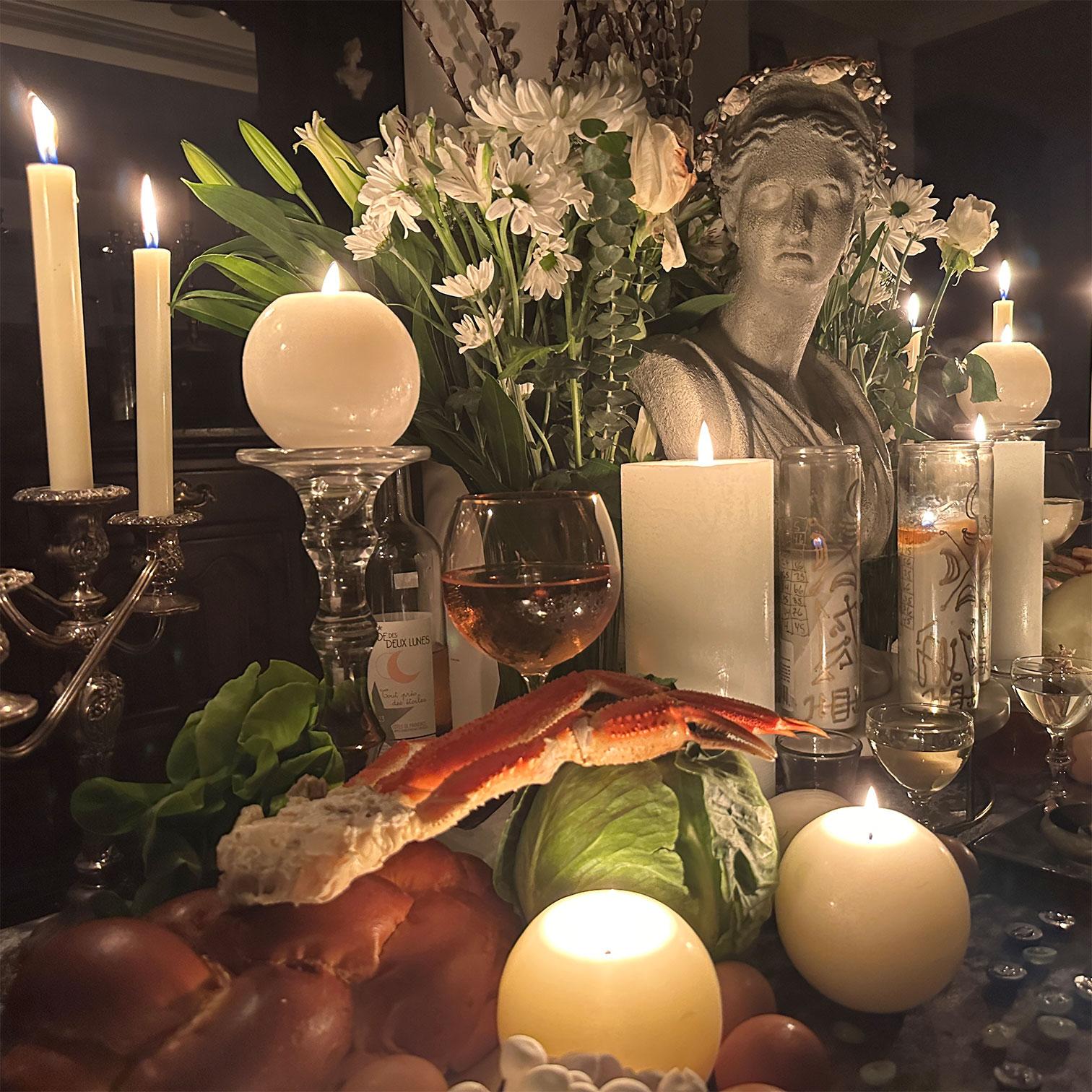
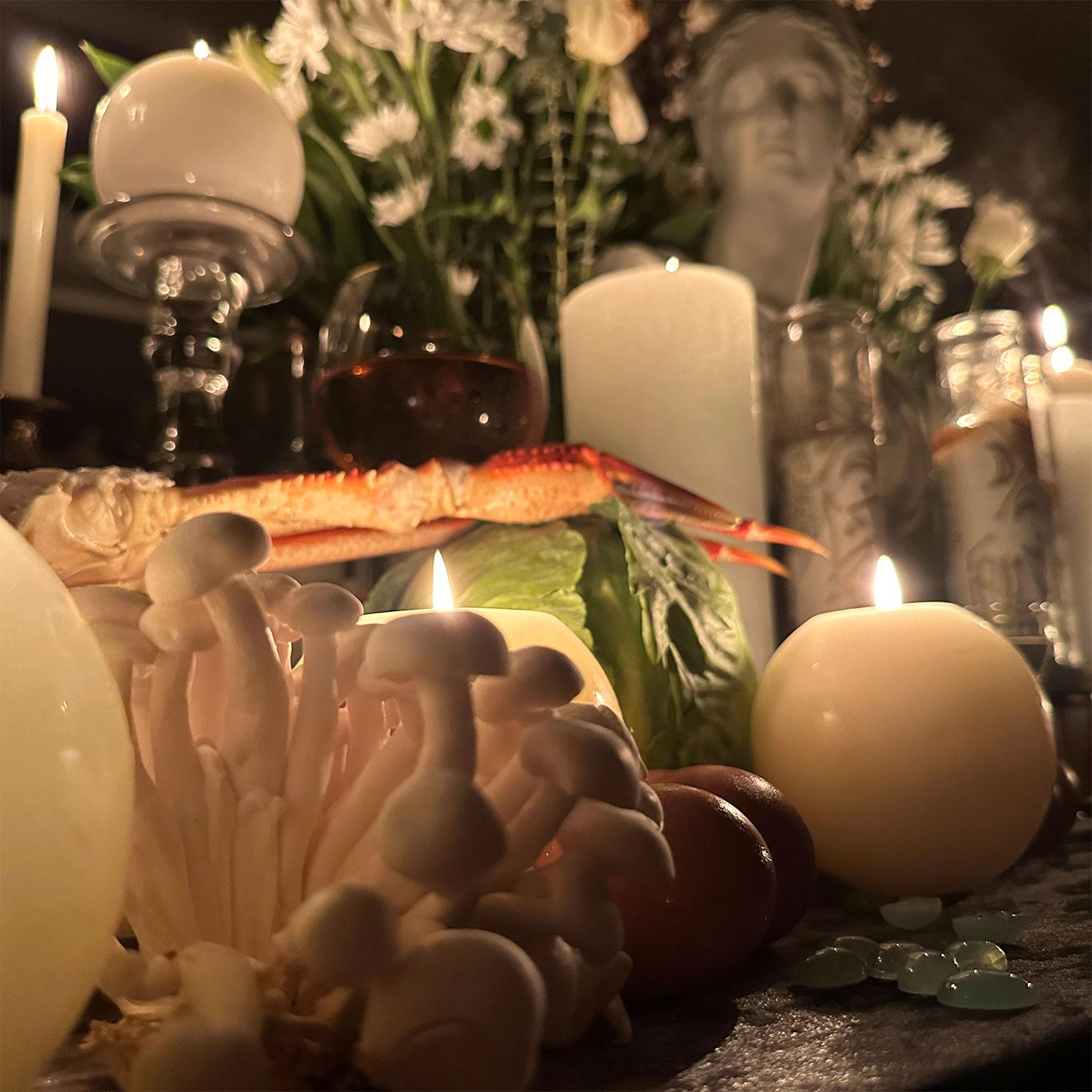
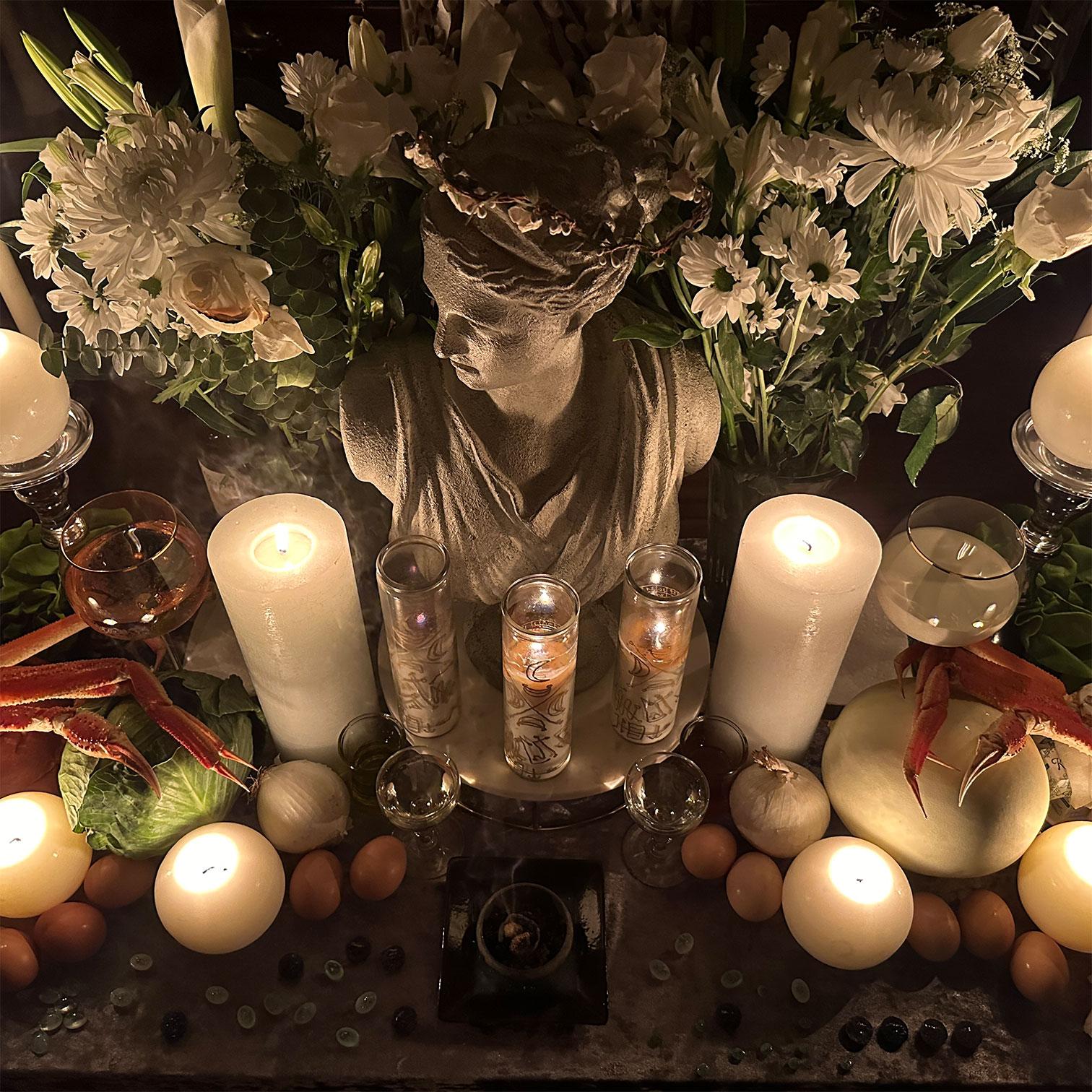
An altar of silver and crystal featuring mirrors, plentiful candles, glass spires, fresh flowers, and willow branches was dedicated to the Moon prior to this working. Plentiful offerings of spirits, wine, and food—including Alaskan king crab legs and beautiful enoki mushrooms—were offered to Luna under the visage of a large bust of Diana. Among the many white candles providing illumination for the ritual, three candles ritually prepared and emblazoned with sigils and the kamea of the Moon were employed to define the space with Lunar structure.
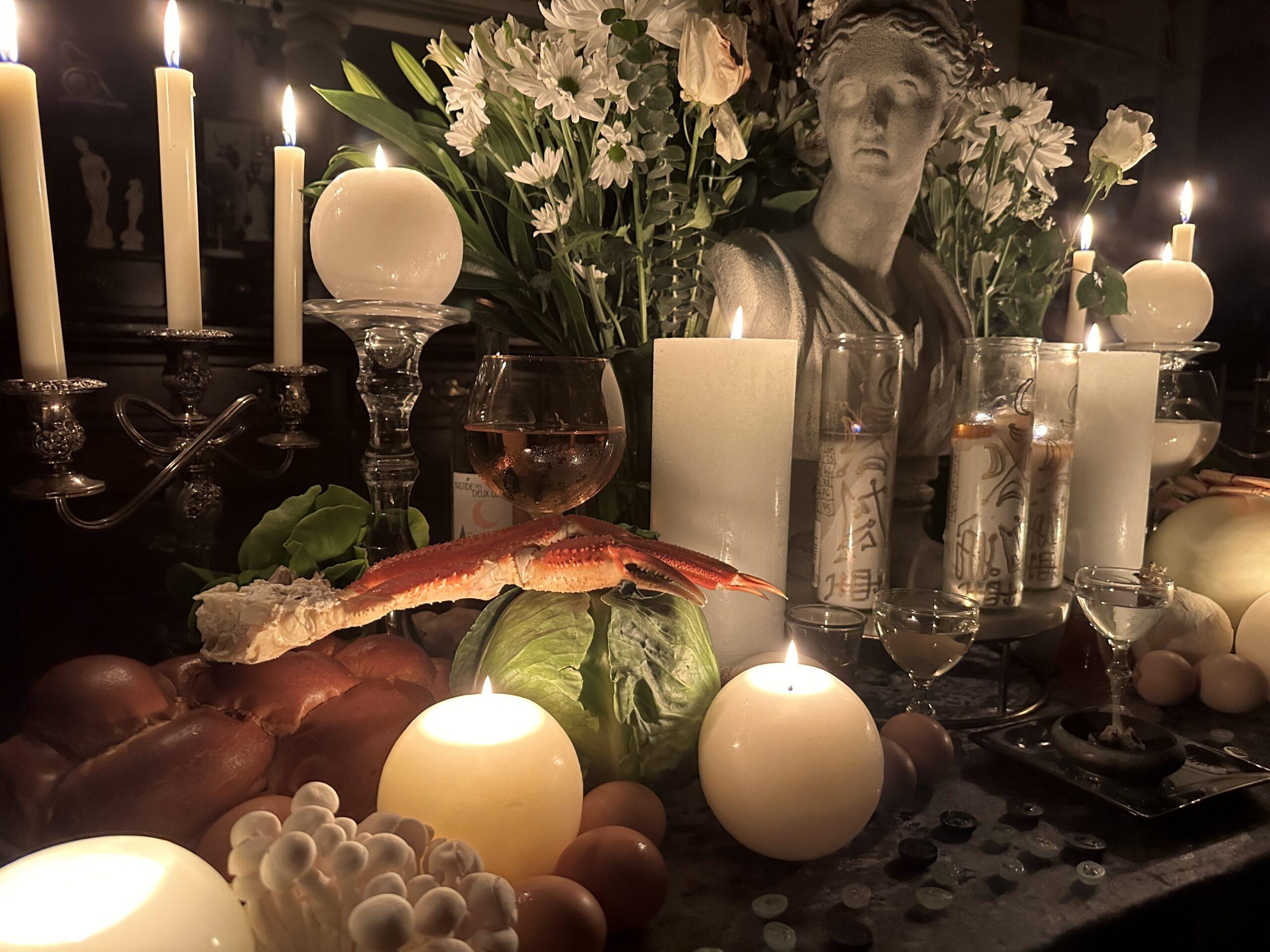
At the outset of the working, lunar incense (described below) was offered with invocations of the Moon by many names and epithets, her planetary angels, and the rūḥāniyyat (spiritual beings, akin to daimones, held by some to be angels) of Luna’s sphere. A bespoke petition expressing and requesting the purposes of the Remembrance talismans was made prior to the carving of the stones, affixation of herbs, and suffumigation, all of which took place within the stated electional window according to our guarantees. Upon completion of the operation, the ritual was formally closed with gratitude and license to depart given to the spirits of the Moon.
Suffumigation
The incense for this election was prepared according to a modified version of Agrippa’s recipe in Three Books of Occult Philosophy: “For a fumigation for the Moon, we compile the dried head of a frog, the eye of a bull, white poppyseed, frankincense, and camphor. This mixture is incorporated with menstrual blood or the blood of a goose” (Book I, Ch. 44, p. 146, tr. Eric Purdue). For this election, we opted for the vegetal ingredients alone: white poppyseed, royal Hojari frankincense, and camphor granules. This mixture was consecrated during the same electional window before being used as a suffumigation for the talismans.